איך פועלות סירות אידוי
Mar 09, 2022
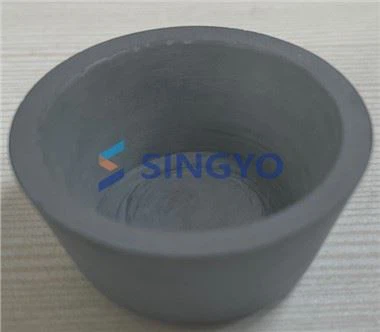
סירות אידוי הן רכיבים קרמיים המשמשים ככלי קיבול למתכת (אלומיניום טהור) לאידוי. הם מתפקדים כמחממי התנגדות חשמלית. סירת האידוי וחוט אלומיניום המוזן ברציפות מחוממים תחת ואקום גבוה על ידי זרימת זרם, כך שהחוט נמס תחילה ואז מתאדה. בשל מבנה ומרקם משטח מיוחד, נוצרת אמבט מותך ומתפזרת בצורה מיטבית על הסירה, ובכך מבטיחה ענן אדים הומוגני. אדי המתכת מופקדים לאחר מכן על מצע הממוקם מעל ענן האדים.
חומרים לסירות אידוי
ישנן דרישות שונות שעל סירות האידוי לעמוד בהן. כדי שהעיקרון של חימום התנגדות יעבוד, הם חייבים להיות מוליכים חשמלית; יחד עם זאת, הם זקוקים לדרגה גבוהה מספיק של התנגדות חשמלית כדי לאפשר בכלל לחמם אותם. יתר על כן, הם חייבים להיות עמידים לטמפרטורות גבוהות ואינרטיים כלפי מתכת מותכת. כדי לשלב תכונות אלה, קרמיקה מעורבת עשויה משני או שלושה מרכיבים.
Two-component evaporation boats contain titanium diboride and BORON NITRIDE. Due to its bonding structure, titanium diboride offers excellent resistance to high temperatures and remains inert even to non-ferrous metal melts. It also improves the wettability of the evaporation boat through liquid aluminum and ensures a melting bath with an extensive surface. For example, when used for aluminum vapor deposition, it's completely wetted by liquid aluminum. In addition, titanium diboride is a very good electrical conductor. Boron nitride is added as a non-conductive material to set the electrical resistance of the evaporation boat.
Three-component mixed ceramics also include aluminum nitride. This material has very good thermal conductivity which makes it particularly suitable for large evaporation boats to ensure they heat up quickly and uniformly. Compared to two-component evaporation boats, the three-component versions have a shorter lifespan, with lower evaporation rates and less corrosion resistance. At the same time, the wettability of the evaporator is significantly improved and there's greater homogeneity of the vapor-deposited layers. Three-component evaporators are therefore primarily used in the manufacture of capacitors, since this requires a particularly high level of homogeneity in the coatings.